UPI's New 0.4% Fee From 15 October: Do You Pay Anything?
15 October 2026, some shops pay a 0.4% fee on UPI payments above ₹2,000. You don't pay it, and no shop is allowed to add it to your bill. से
इस पोस्ट में7 sections
UPI charges from 15 October 2026 are real, but they land on shops, not on you. From that date, merchants pay a 0.4% fee on eligible UPI payments above ₹2,000, capped at ₹300 per payment. Under NPCI's rules, consumers pay nothing and shops cannot pass the fee on to you.
This matters because big UPI payments to businesses haven't carried a fee before. Some shopkeepers have already talked about adding a "UPI charge" to bills. Here's who pays, who doesn't, and what to do if a shop tries it.
What exactly changes on 15 October
The fee is called MDR, short for merchant discount rate. It's what a shop pays its bank and payment companies to process a digital payment. Card payments have always carried one. UPI didn't, until now.
The government notified the change on 14 September 2026. NPCI, which runs UPI, announced the details on 15 September and published FAQs the same day. SCC Online's summary of the NPCI FAQs is the clearest public version. NPCI also says MDR is not a tax and the government gets none of it.
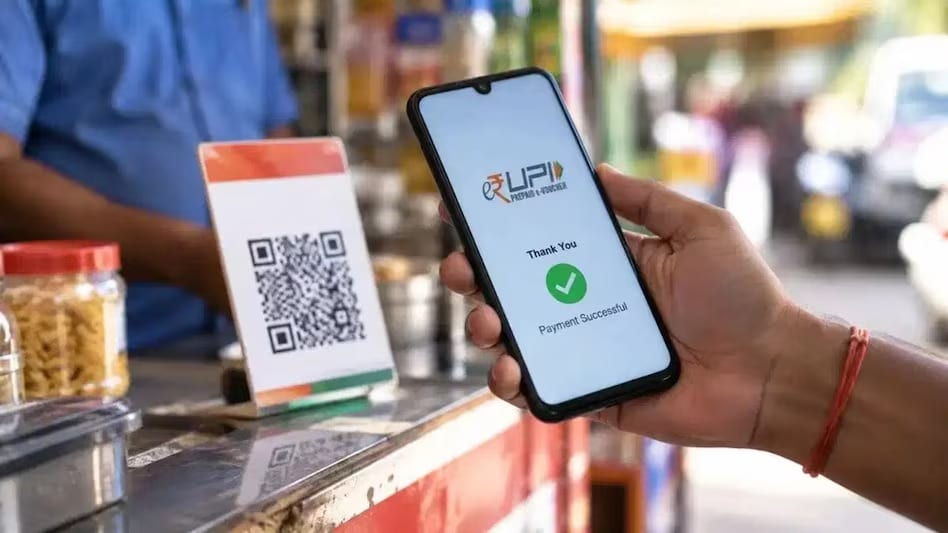
Is UPI still free for you? Yes
For ordinary users, nothing changes. These stay free:
- All payments you make as a consumer. UPI apps are also barred from adding a platform fee.
- Sending money to people (P2P), at any amount. Paying a friend back ₹50,000 costs nothing.
- Any shop payment up to ₹2,000. NPCI says these make up more than 95% of UPI payments to merchants.
- Small merchants who get up to ₹1 lakh a month through UPI QR codes. Think tea stalls, sabzi vendors and corner shops.
- UPI AutoPay, such as monthly SIPs, according to HDFC Bank and Kotak Mahindra Bank.
UPI MDR 2026: fees by category
Above ₹2,000, the fee depends on what the business does. This rate card is based on the NPCI FAQs as reported by SCC Online and explained by HDFC Bank, Kotak and PayU:
- P2P transfers (person to person): free, any amount
- Shop payments up to ₹2,000: free
- Small merchants (up to ₹1 lakh a month via QR): free, any amount
- UPI AutoPay and recurring mandates: free
- Standard shop payments above ₹2,000: 0.4%, capped at ₹300 for payments of ₹75,000 and above
- Railways, telecom, insurance, fuel, farm inputs: flat ₹5 per payment above ₹2,000
- Mutual funds, shares, stockbrokers: 0.02%, capped at ₹300
- Schools, colleges, exam bodies: a lower or capped fee above ₹2,000 (exact numbers not given in the FAQs)
In real money, a ₹3,000 bill costs the shop ₹12. A ₹50,000 phone costs the shop ₹200. Anything from ₹75,000 up costs the shop no more than ₹300. For comparison, SCC Online notes that credit card MDR usually runs between 1.5% and 2.5%.
One detail is still slightly unclear. HDFC, Kotak and PayU put farm inputs in the flat ₹5 group. As summarised by SCC Online, NPCI's FAQs name railways, telecom, insurance and fuel "and other notified categories", and one explainer also lists utilities like electricity. We'd go with the banks on farm inputs. If you run a business in one of these areas, ask your bank for the final list.
Can a shop add a UPI charge to your bill? No
NPCI's FAQs say merchants "will not be permitted to pass MDR charges on to customers" (as quoted by SCC Online). You pay the price on the tag whether you use UPI, cash or a card.
Traders' groups have said the same. On 26 September, Jagran reported that the Confederation of All India Traders (CAIT) told the Finance Ministry its members won't pass the fee on. CAIT also said charging customers extra would be illegal, because goods can't be sold above MRP. Some shopkeepers had threatened a "No UPI Day" on 2 October, but Jagran reports those threats were dismissed.
What to do if a shop asks for extra
Stay polite, but don't just pay it. Here are the steps CareerIndia laid out, which match what the banks advise:
- Ask for a bill that shows the extra "UPI charge" line. That's your evidence.
- If you need to, pay another way and keep the receipt.
- Complain in your UPI app or to your bank, using its help or dispute section.
- If that doesn't fix it, take it to NPCI's UPI complaint portal.
- Still stuck? File with the RBI Ombudsman, or contact the National Consumer Helpline.
If you run a small business
If you get up to ₹1 lakh a month through UPI QR codes, you keep paying zero, even on single payments above ₹2,000. According to PayU, you only move to the standard rate after going over ₹1 lakh for three months in a row. GST registration doesn't decide this. Your monthly UPI collections do.
Bigger merchants should know that 18% GST applies on top of the MDR, CareerIndia notes, though registered businesses can usually claim it back. NPCI has also proposed a support fund for small merchants, with the details to be worked out with the RBI within three months.
What to watch next
Check your bills from 15 October. If a shop slips in a UPI charge, get it in writing and report it, because complaints are what get these rules enforced. If you run a business, call your bank or payment provider before Wednesday and ask which category you fall into and whether you count as a small merchant. NPCI's steering committee still has to settle category caps and how the fee is split, so expect more clarifications in the coming weeks.
स्रोत
- SCC Online: UPI MDR explained, NPCI FAQs (16 September 2026)
- HDFC Bank: New UPI Rules 2026
- Kotak Mahindra Bank: New UPI Rules 2026 for Consumers and Merchants
- PayU: UPI MDR 2026, what the new charge means for businesses
- Jagran: UPI MDR won't be passed to customers, traders assure Finance Ministry
- CareerIndia: UPI charges October 15, are consumers paying extra?
- CA Jatin Karda: UPI Charges from 15 October 2026, 0.4% MDR Explained
काम का लगा? इसे उस व्यक्ति को भेजें जिसे यह पढ़ना चाहिए।