Is Orkut Coming Back? What the Founder's Sign-Up Drive Really Means
Orkut's founder is collecting names at Orkut.com for a community-first social network. Over 2.66 lakh people have signed, but there's no app and no launch date yet.
इस पोस्ट में7 sections
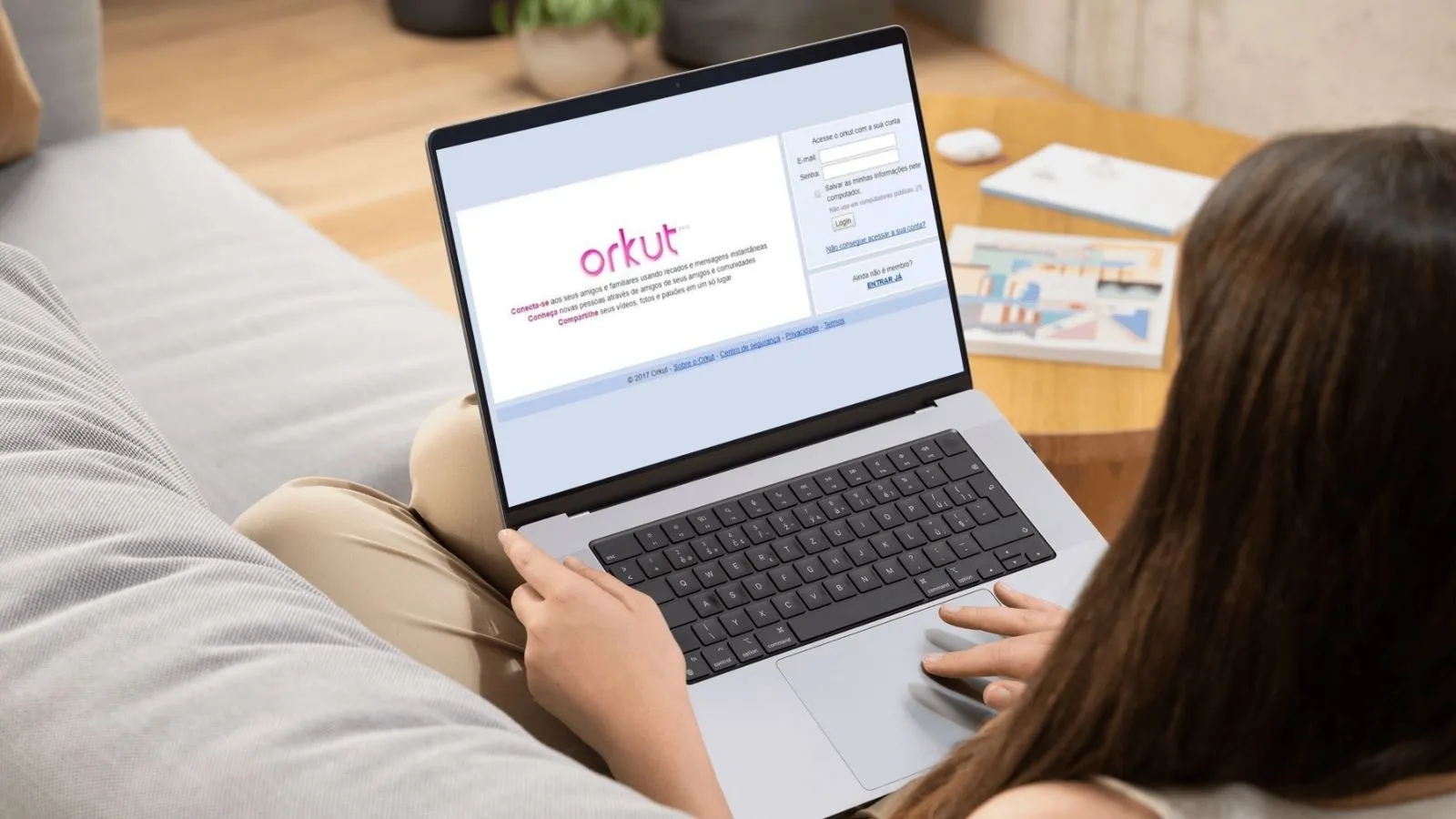
Orkut's founder, Orkut Büyükkökten, has opened a sign-up drive at Orkut.com asking people to back a new, community-first social network with no engagement algorithms and no AI-generated filler. So, is Orkut coming back? Not yet. Right now this is a show of support, closer to a petition than a product, and there is no app and no launch date.
It still matters if you grew up writing scraps and collecting testimonials. India was one of Orkut's biggest markets, and the founder is clearly testing whether that nostalgia, plus today's frustration with feeds full of bots and AI posts, is enough to build on.
What actually happened on 8 October
Büyükkökten posted on X on 8 October 2026, asking people to visit Orkut.com, add their names and share a "supporter card" with friends, according to Trak.in and other coverage. TechCrunch picked up the story on 9 October and noted that Orkut did not reply to its request for comment.
The response has been quick. IBTimes India counted 266,119 signatures from 119 countries, roughly 2.66 lakh, with 1,631 coming in during a single hour. Later reports put the total above 2.7 lakh by 9 October. The counter is live, so expect that number to keep climbing.
How to add your name at Orkut.com
Signing up takes about a minute. Per IBTimes India, you only need an email address and your country.
- Open orkut.com in your phone or laptop browser.
- Enter your email address and pick your country of residence.
- Submit to add your name as a supporter.
- Optionally, share the supporter card you get with friends, which is what the founder is asking people to do.
The pitch is real people, not algorithms
In a letter on Orkut.com, Büyükkökten argues that social media has drifted away from friendship towards squeezing out engagement. His sharpest line, quoted by TechCrunch, is about AI:
"Artificial intelligence is extraordinary technology, but it's dissolving the one premise that made social networking special and worth building: that there was a person on the other side."
The idea he describes would put communities at the centre, like the old Orkut groups built around shared interests, instead of an algorithm-driven feed deciding what you see. He says he wants a network for "authentic people, real connection, and genuine belonging."
What he has not said matters just as much. He has not confirmed that a new version is being built, how it would stop bots and AI accounts, how it would make money, or when it might launch. Treat everything beyond the sign-up page as a promise, not a plan.
He has tried a comeback before with Hello
This is not Büyükkökten's first attempt at an Orkut successor. In 2016 he launched Hello, an interest-based social app for Android and iPhone. It never came close to Orkut's scale. TechCrunch says it closed in 2020 after more than 2 million downloads, while Wikipedia's entry cites a lower figure of about 1 million by 2019, so the exact number depends on who you ask. Either way, it was a small fraction of the more than 300 million users Orkut once had.
There were more hints after that. In 2022 a note on Orkut.com said he was building something new, and in 2024 he told WIRED about a network that would use AI and machine learning to connect people, as TechCrunch recounts. That platform never launched. Interestingly, the new pitch leans the other way, positioning itself against AI content.
Your old Orkut scraps and photos are not coming back
This is the question many people really want answered, and the answer is no. Google, not Büyükkökten, ran the original Orkut, and it shut the service down on 30 September 2014. After that date nobody could log in.
Google did offer a way out. As MediaNama reported at the time, users could download their profile, scraps, testimonials and photos through Google Takeout until September 2016. Google also kept an archive of public communities. If you didn't export your data back then, there is no official route to it now.
Any new network from the founder would be a fresh start, separate from Google. Nothing announced so far suggests it would bring back old accounts, friend lists or scrapbooks.
The hard part: beating Instagram's head start
Orkut launched in January 2004 as Büyükkökten's side project at Google and became huge in Brazil and India before Facebook overtook it. A revival would face Instagram, WhatsApp, Facebook and YouTube, which already own most of our time online. A list of supporters is a useful signal for investors and engineers, but it is a long way from an app people open every day.
What to watch next
If you miss the old Orkut, adding your name costs nothing but an email address, so it is a cheap way to be counted. Use an email you don't mind getting updates on. Then watch for three things: a confirmed launch date, details on how the network will keep out bots and AI accounts, and any news of funding or a team. Until one of those shows up, Orkut is a campaign, not a comeback.
स्रोत
- Orkut.com (official sign-up page)
- TechCrunch: Remember Orkut? Its founder wants to bring it back
- IBTimes India: Orkut comeback, founder seeks to revive iconic social network
- Trak.in: Orkut Trying To Make A Comeback After 12 Years
- MediaNama: Orkut to shut down on September 30 (2014)
- Wikipedia: Hello (social network)
काम का लगा? इसे उस व्यक्ति को भेजें जिसे यह पढ़ना चाहिए।