OpenAI Says an Ex-Employee Took Its Device Files to Apple: The Full Story
OpenAI's new filing in Apple's trade-secret case claims a returning employee took 100+ files on an unreleased OpenAI device to Apple. Apple denies it.
In this post6 sections
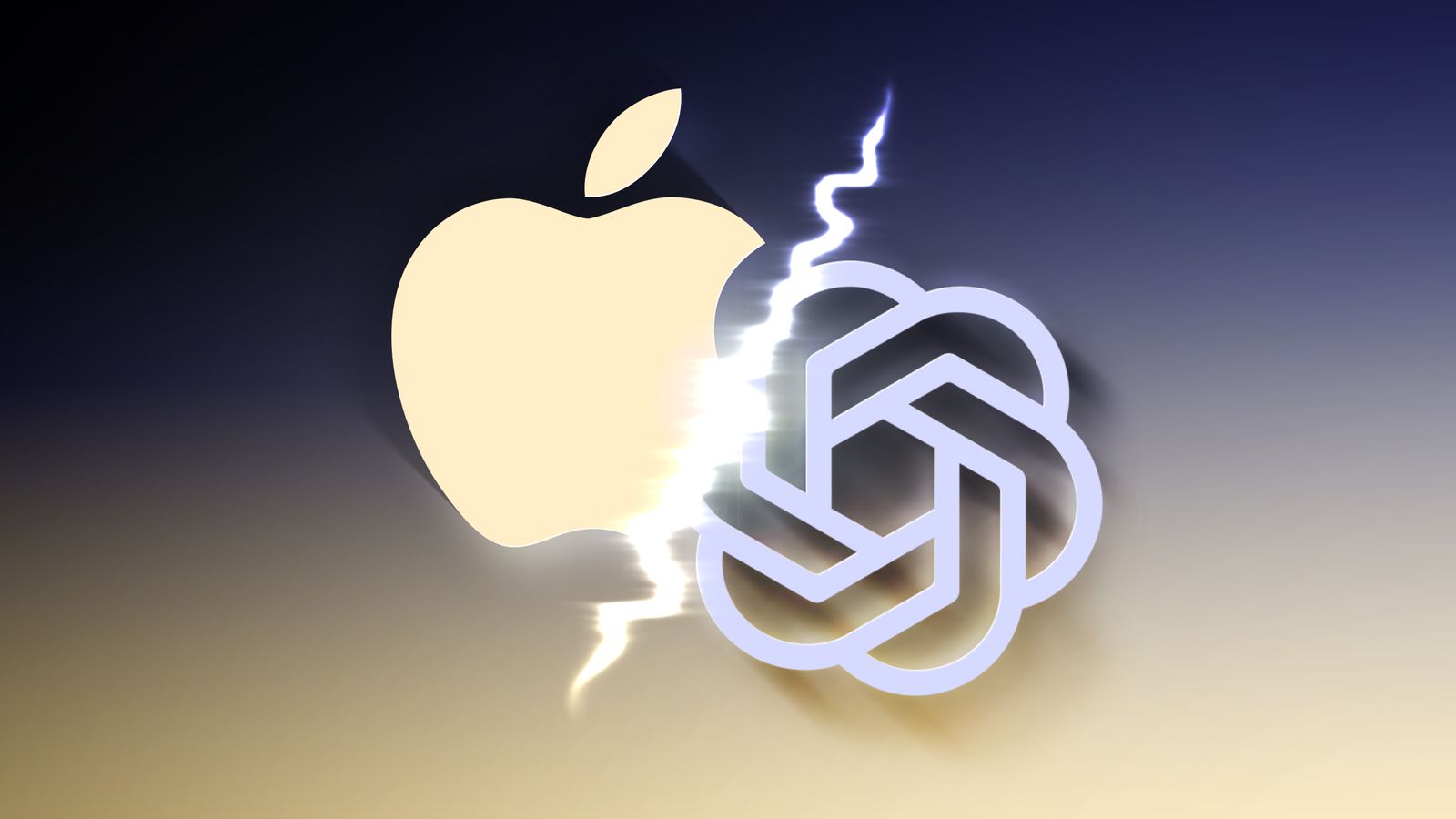
OpenAI has accused a former employee of taking more than 100 confidential files about an unreleased OpenAI device and walking them back to Apple. The claim came in a court filing on 14 October 2026, in the very trade-secret case Apple brought against OpenAI in July, so the OpenAI Apple lawsuit now has accusations flying in both directions.
This is more than a corporate squabble. The fight is over who builds the AI gadgets you might carry or put on your kitchen counter in the next few years. The filing also gives us one of the clearest looks yet at the hardware OpenAI is working on with former Apple design chief Jony Ive.
It started with Apple suing OpenAI in July
On 10 July 2026, Apple sued OpenAI, io Products (the hardware startup OpenAI bought for $6.5 billion in 2025) and two former Apple staff, Tang Tan and Chang Liu. The case is Apple v. Liu, filed in the US District Court for the Northern District of California in San Jose. Some outlets, including The Register, give the date as 13 July, but the court docket and same-day reports from 9to5Mac point to 10 July, so that is the date we use.
Apple's main allegations, as reported by 9to5Mac:
- Tang Tan, who led iPhone and Apple Watch design at Apple and is now OpenAI's chief hardware officer, allegedly used Apple project codenames while interviewing candidates and had some of them bring Apple parts to interviews.
- Chang Liu, a former senior system electrical engineer who joined OpenAI in January 2026, allegedly kept an Apple laptop and exploited a security bug to download Apple engineering files after he left.
- Apple also says more than 400 of its former employees now work at OpenAI.
OpenAI denies all of it. It says the case is really an attempt to stop people leaving Apple, and that ordinary job interviews are being painted as theft. It has also asked the judge to throw the case out. That request has not been decided yet.
October brought two quick wins for Apple
On 13 October, Judge Edward Davila granted most of Apple's requests for early access to evidence, 9to5Mac reported. That includes forensic images (exact digital copies of devices), the documents OpenAI used to guide interviews with Apple candidates, and permission for Apple to question Liu, Tan and others under oath. He turned down Apple's bid for early access to OpenAI's research on metal finishes, power management and batteries.
The next day, at a hearing on Apple's request for a preliminary injunction (a court order that applies while the case is still going), Davila said he was "highly likely" to grant it, according to Claims Journal, which carried Bloomberg's report.
OpenAI then voluntarily agreed not to use the trade secrets Apple says were stolen, and to collect forensic images from the devices of 14 employees who may hold Apple information, per 9to5Mac. The judge can enforce that promise, and OpenAI could face sanctions if it breaks it.
Davila did not give Apple everything. He called its request to inspect every device and repository that might hold Apple secrets a "huge ask". Apple's lawyer, John Desmarais, replied that Apple only wants to look at a small group, saying OpenAI has "a few bad apples" rather than 400.
OpenAI's counter-claim: the files that went back to Apple
Hours before that hearing, OpenAI filed its own accusation. According to The Register, the employee, who is not named, moved from Apple to OpenAI and returned to Apple about six months later.
OpenAI alleges that before leaving, this person sent files to personal accounts, with some transfers happening just after midnight in Singapore on 2 June 2026, which OpenAI says was their last day. OpenAI also claims the employee later presented OpenAI's product plans to senior Apple leaders, including Apple's vice president of operations in Asia.
These are allegations in a court filing, not proven facts. OpenAI has not filed counterclaims yet. It has asked the court for time to investigate whether Apple has or used the material, and says it may sue back if it does.
Apple says it found nothing
Apple denies the claim. It says it has policies that stop staff bringing in a former employer's secrets and that it found no evidence supporting OpenAI's story. It also called the filing a distraction from the evidence against OpenAI's own employees, Claims Journal reported.
The Register points out the gap in OpenAI's case: so far it has not shown that Apple actually received or used any of the files.
What the filing reveals about OpenAI's device
OpenAI's own description of what was allegedly taken tells us how far along its hardware is. Per The Register, the files included:
- Detailed images of at least one unreleased OpenAI device
- Engineering and manufacturing data
- Supplier information and project files
- Specifications for cosmetic finishes
- Reports on coating and sealing hardware parts
Supplier lists, finish specs and sealing reports are the kind of paperwork you have when a product is moving towards the factory, not just sitting in a sketchbook. OpenAI told the court it is building a new family of AI devices and does not need Apple's secrets.
Beyond the filing, the details are reports, not official. Bloomberg has reported that OpenAI's first consumer product will be a doughnut-shaped smart speaker priced above $300. Earlier reports cited by 9to5Mac also mention a possible OpenAI smartphone around 2028. OpenAI has not confirmed a name, price, launch date or Indian availability for any device.
What to watch next
Three things. First, whether Davila formally grants the injunction and how he rules on OpenAI's request to dismiss the case. Second, the forensic images and early depositions, which should show whether Apple's files really ended up at OpenAI. Third, whether OpenAI turns its device-files claim into actual counterclaims against Apple.
Also keep an eye on Apple's 28 October event and its smart home plans. OpenAI has already pointed to Apple's push into AI hardware as a reason it is worried, so any Apple product that looks like a speaker will get very close attention in this case.
Sources
- The Register: OpenAI claims 100-plus secret files followed ex-employee back to Apple
- 9to5Mac: OpenAI agrees not to use alleged Apple trade secrets amid ongoing lawsuit
- Claims Journal (Bloomberg): Apple-OpenAI judge says he's 'likely' to side with iPhone maker
- 9to5Mac: Apple wins early access to OpenAI documents and employee testimony
- 9to5Mac: Apple sues OpenAI, accuses ex-employees of stealing trade secrets
Found this useful? Send it to someone who should read it.